Latest News
Stay updated with the latest developments in SmartUrbanity's journey toward 15-minute cities
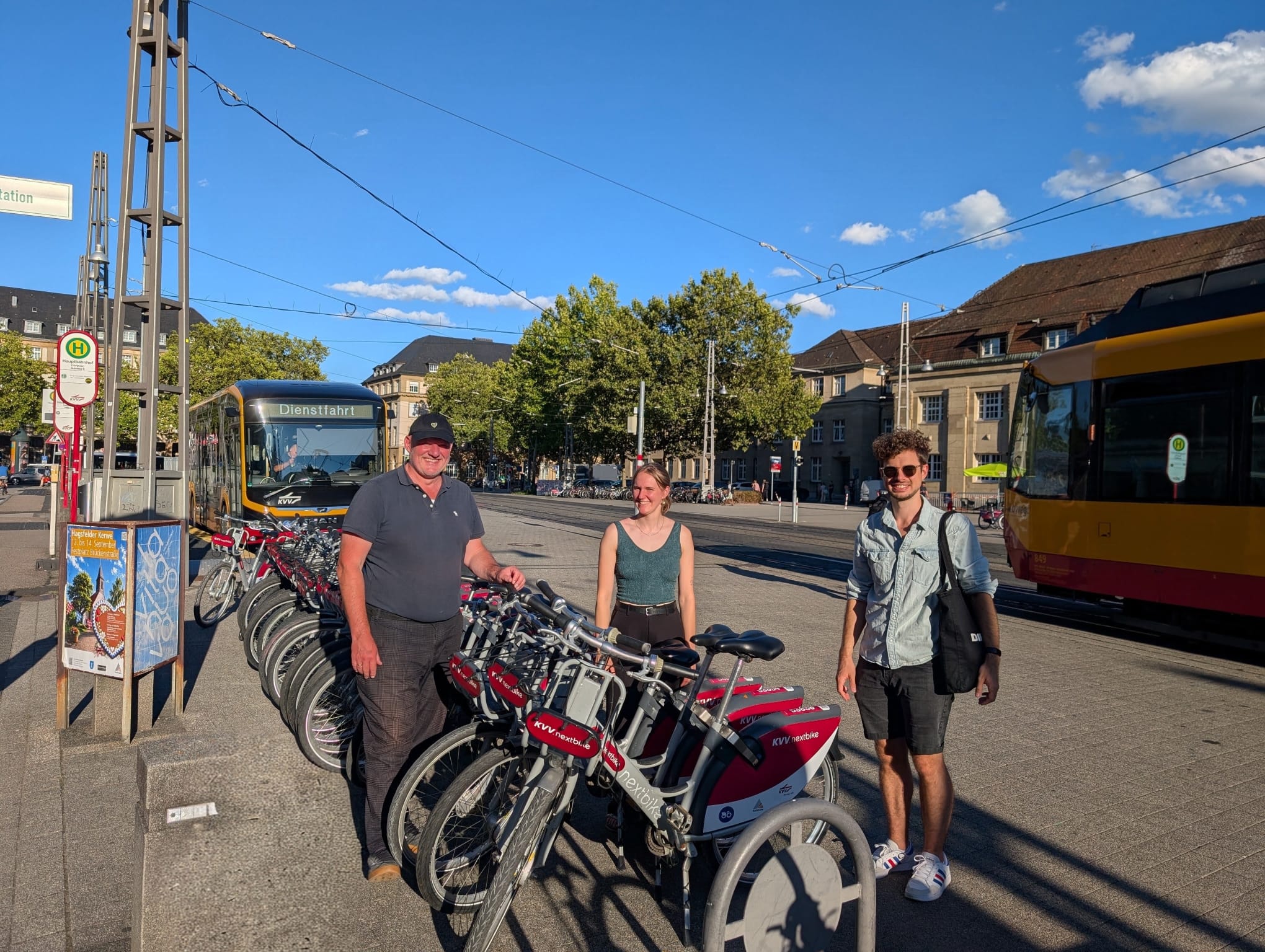
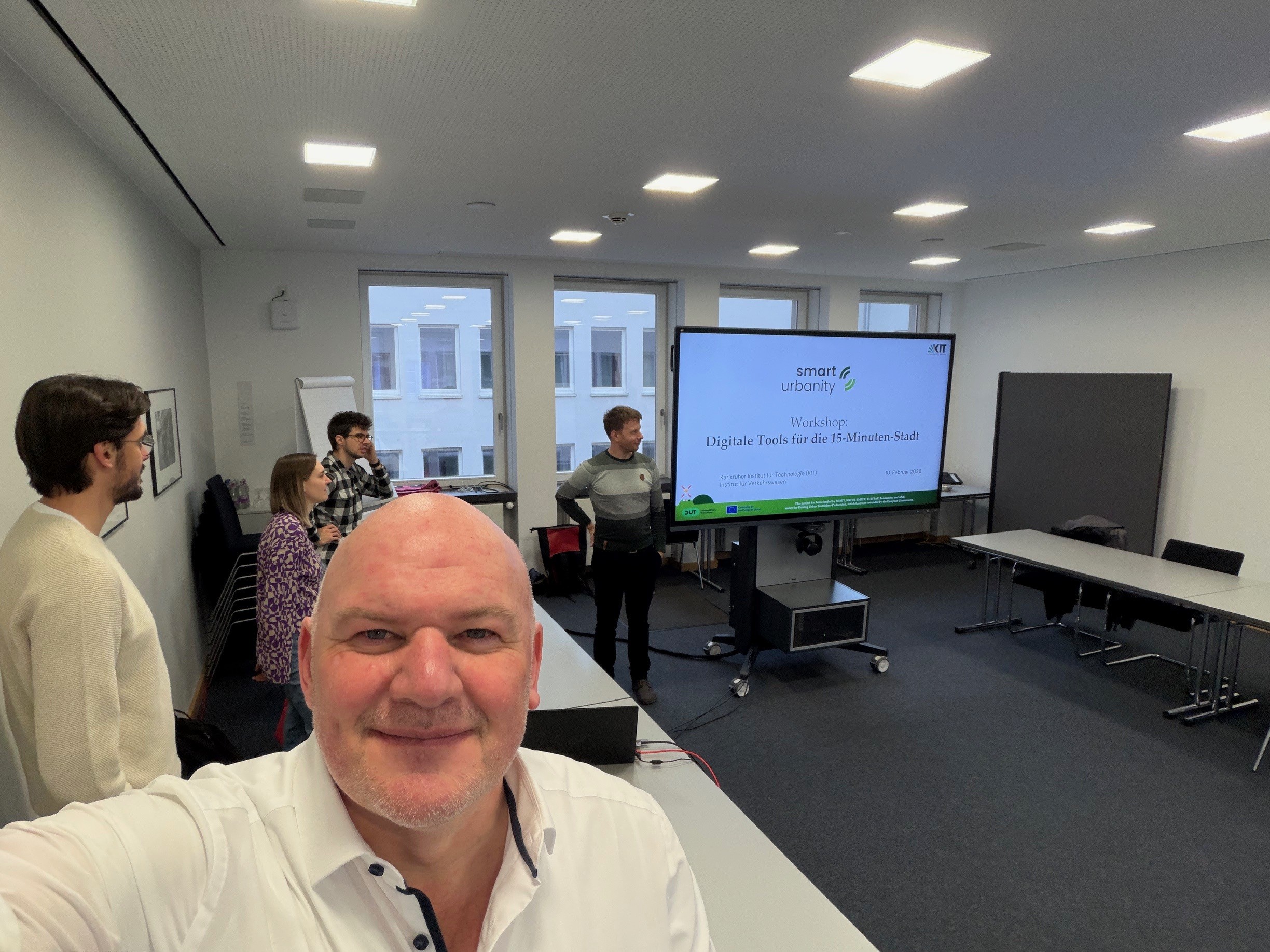
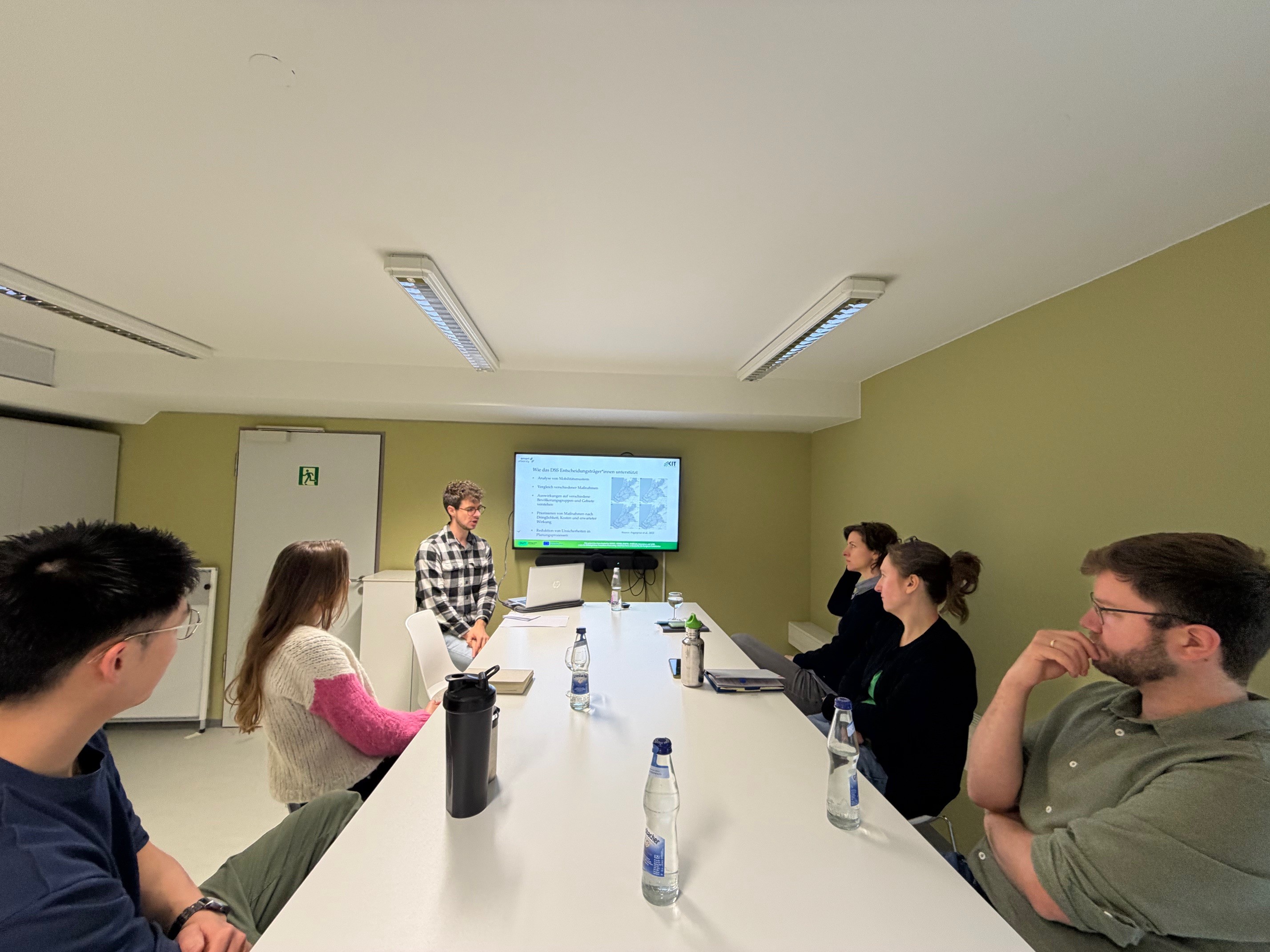
Meet the KIT Team: Modelling How the 15-Minute City Shapes Mobility and Logistics
The Institute for Transport Studies (IfV) at Karlsruhe Institute of Technology (KIT) contributes its expertise in empirical travel behaviour research and agent-based transport demand modelling to SmartUrbanity. The KIT team focuses on understanding how the 15-minute city concept may affect individual mobility, accessibility and urban logistics, and how these effects can be assessed quantitatively.
The KIT Team:
- Prof. Dr.-Ing. Martin Kagerbauer — Deputy Head of the Institute for Transport Studies, leads SmartUrbanity at KIT, with a research focus on empirical travel behaviour, mobility analysis and agent-based transport demand modelling
- Lukas Barthelmes — coordinates KIT's project activities and focuses on the logistics dimension of the 15-minute city
- Stefanie Kern — focuses on mobility equity and how different population groups benefit from or are affected by 15-minute-city strategies
Lukas and Stefanie are research assistants in Martin Kagerbauer's travel demand modelling group and work on SmartUrbanity with complementary thematic focuses, both contributing a modelling and empirical perspective on how these aspects can be measured, represented and evaluated in transport models.
KIT's Role in SmartUrbanity:
- Led Work Package 2 – Research & Analysis, establishing the project's scientific and methodological foundations (successfully completed in spring 2026)
- KIT leads the Karlsruhe Use Case, applying the agent-based travel demand model mobiTopp and its logistics-related modelling capabilities to analyse different scenarios for the 15-minute city.
The aim is to investigate how changes in urban structures, accessibility and mobility options could influence travel behaviour as well as passenger and logistics transport. KIT's main contributions include:
- Providing quantitative insights into current mobility patterns and potential behavioural changes under 15-minute-city scenarios
- Conducting empirical research and translating its results into the modelling framework
- Analysing accessibility and mobility equity, including differences between population groups
- Investigating the role of urban logistics and parcel delivery within the 15-minute-city concept
- Developing and assessing scenarios for the Karlsruhe pilot using agent-based transport modelling
- Contributing to comparisons across the SmartUrbanity pilot cities to identify common patterns, local differences and transferable measures
Overall, KIT aims to identify the key levers through which the 15-minute city can contribute to more accessible, inclusive and sustainable urban mobility, taking both passenger transport and urban logistics into account.
🙏 KIT Team: Prof. Dr.-Ing. Martin Kagerbauer, Lukas Barthelmes and Stefanie Kern, Institute for Transport Studies (IfV), Karlsruhe Institute of Technology.
CASPT & Transit Data 2027 — Call for Papers
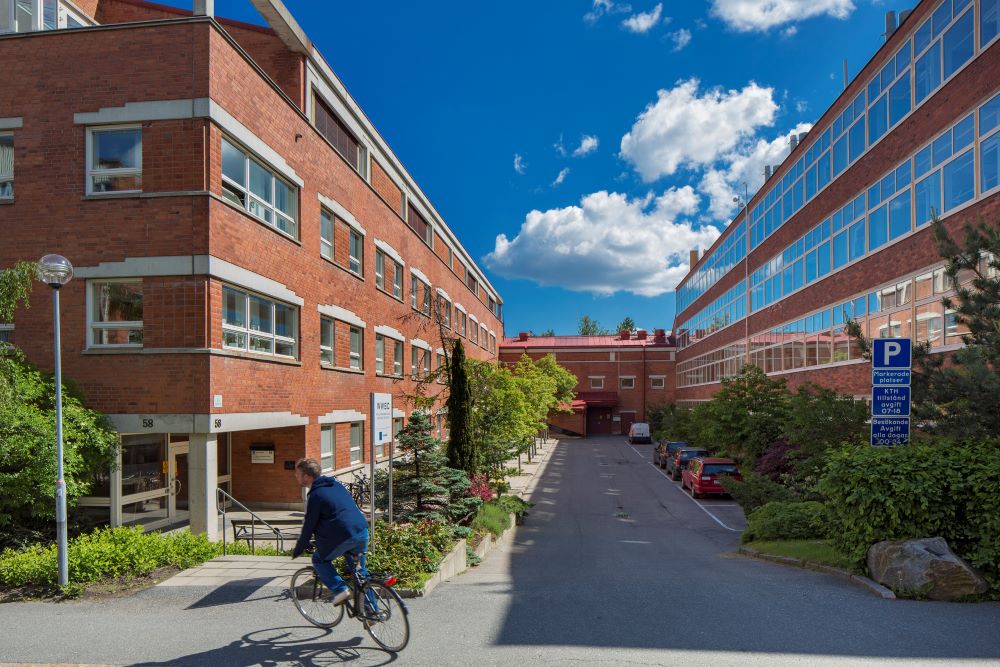
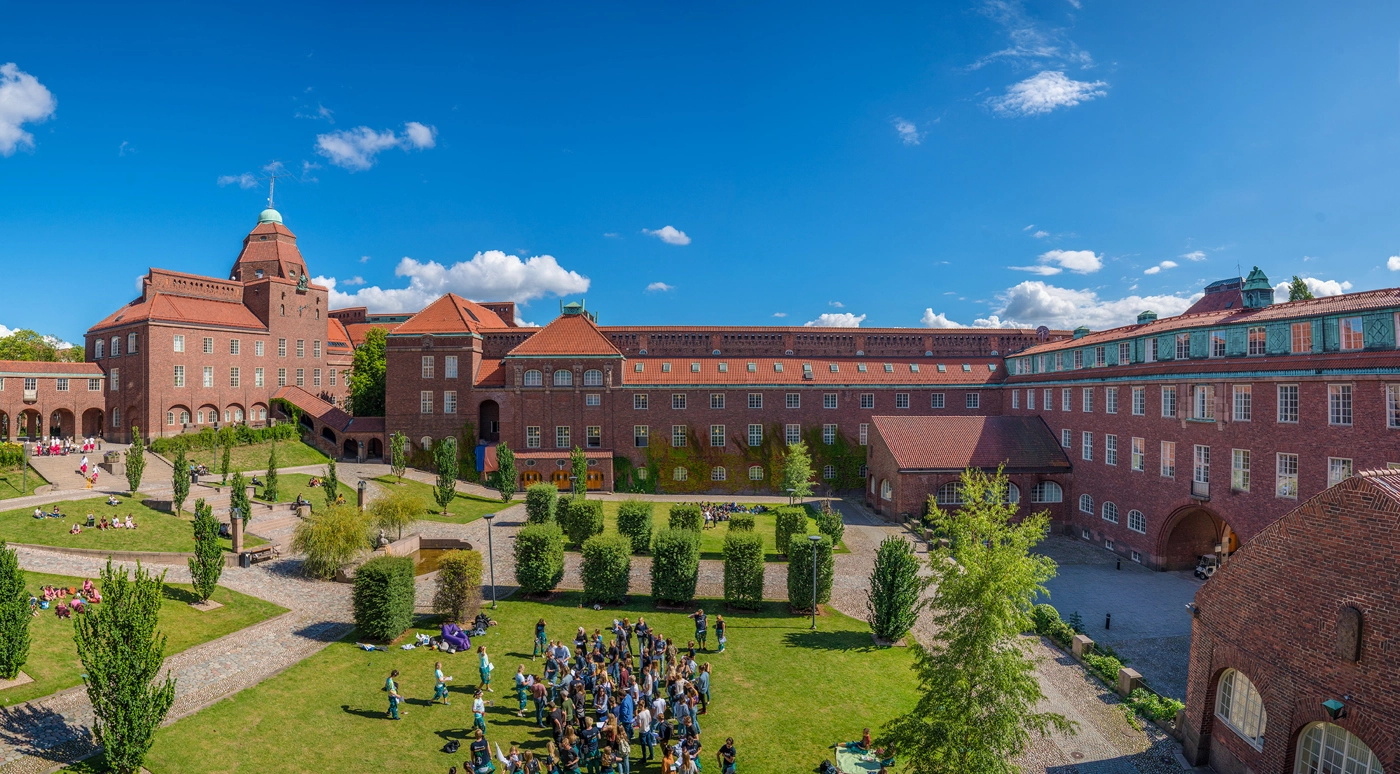
21–24 June 2027, Stockholm (KTH Royal Institute of Technology)
CASPT & Transit Data 2027 invite the submission of original contributions on all aspects of public transport planning, operations, control, policy, and data-driven innovation. The joint event will bring together researchers, practitioners, and policymakers to share advances in theory, methods, and applications that enhance the performance, efficiency, and sustainability of public transport systems.
Topics:
- Planning and Design
- Operations, Control, and Management
- Technology, Data, and Computing
- Energy, Environment, and Sustainability
Two types of papers can be submitted: regular scientific papers and practitioner-oriented work, showcasing practical insights or innovative applications that may not yet be developed into full papers.
✉️ Contact: caspt-transitdata2027@kth.se
Important Dates
- 17 August 2026 — Paper submission opens
- 16 October 2026 — Submission deadline
- 1 February 2027 — Acceptance notification
Inside the ZHAW Pilot: Bringing On-Demand Transport to Thurgau Canton
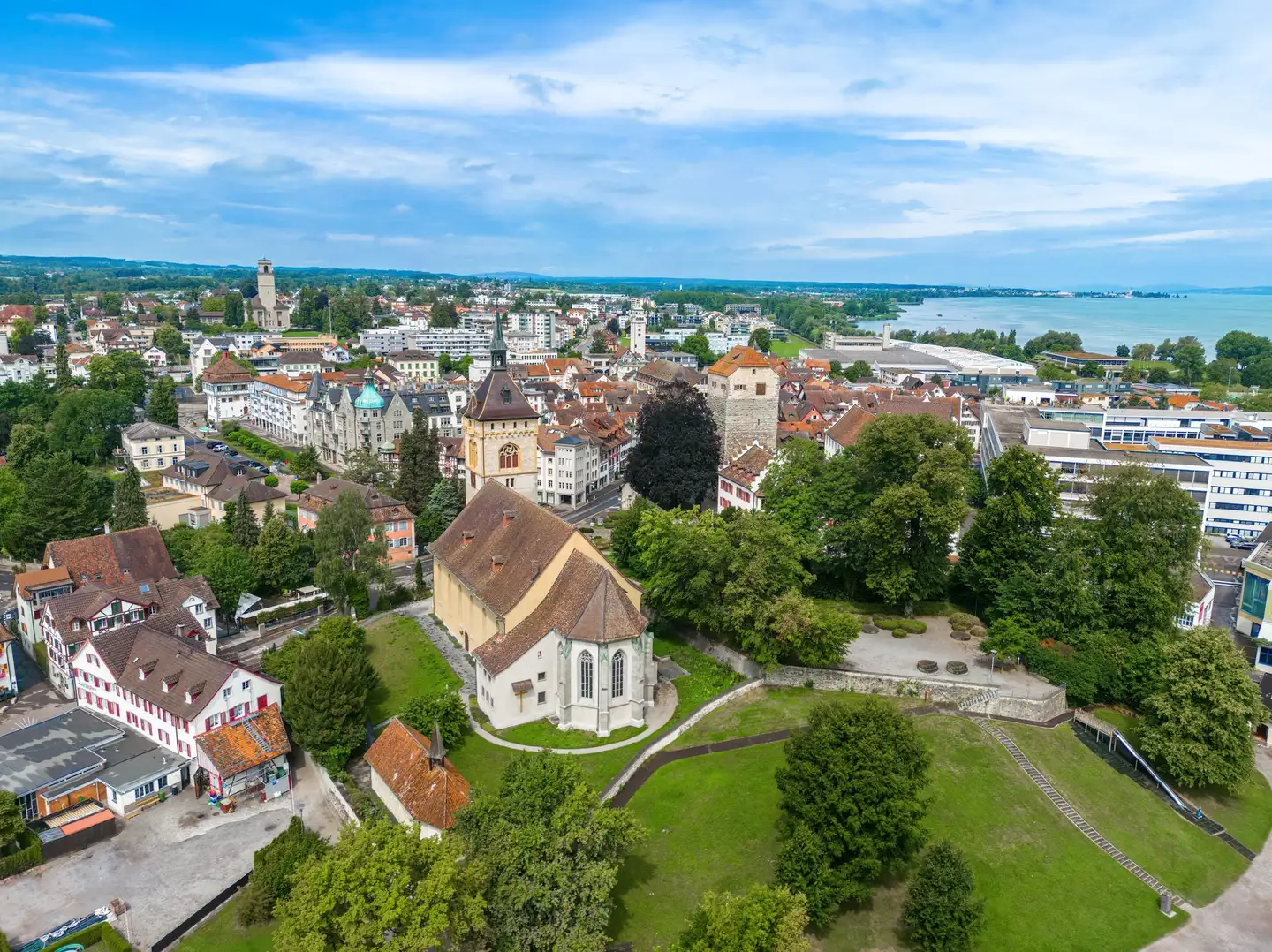
ZHAW is testing how demand-responsive transport (DRT) can extend Switzerland's excellent public transport network into low-density rural areas. Centred on Thurgau Canton — part of the Greater Zurich Area — the pilot combines agent-based simulation with a new geo-visualization tool to identify where on-demand services can make the biggest difference.
Pilot Highlights:
- Full Thurgau Canton as the pilot area — 991 km², ~280,000 inhabitants, the lowest population density of any SmartUrbanity pilot
- A MATSim agent-based simulation modelling DRT–PT integration scenarios
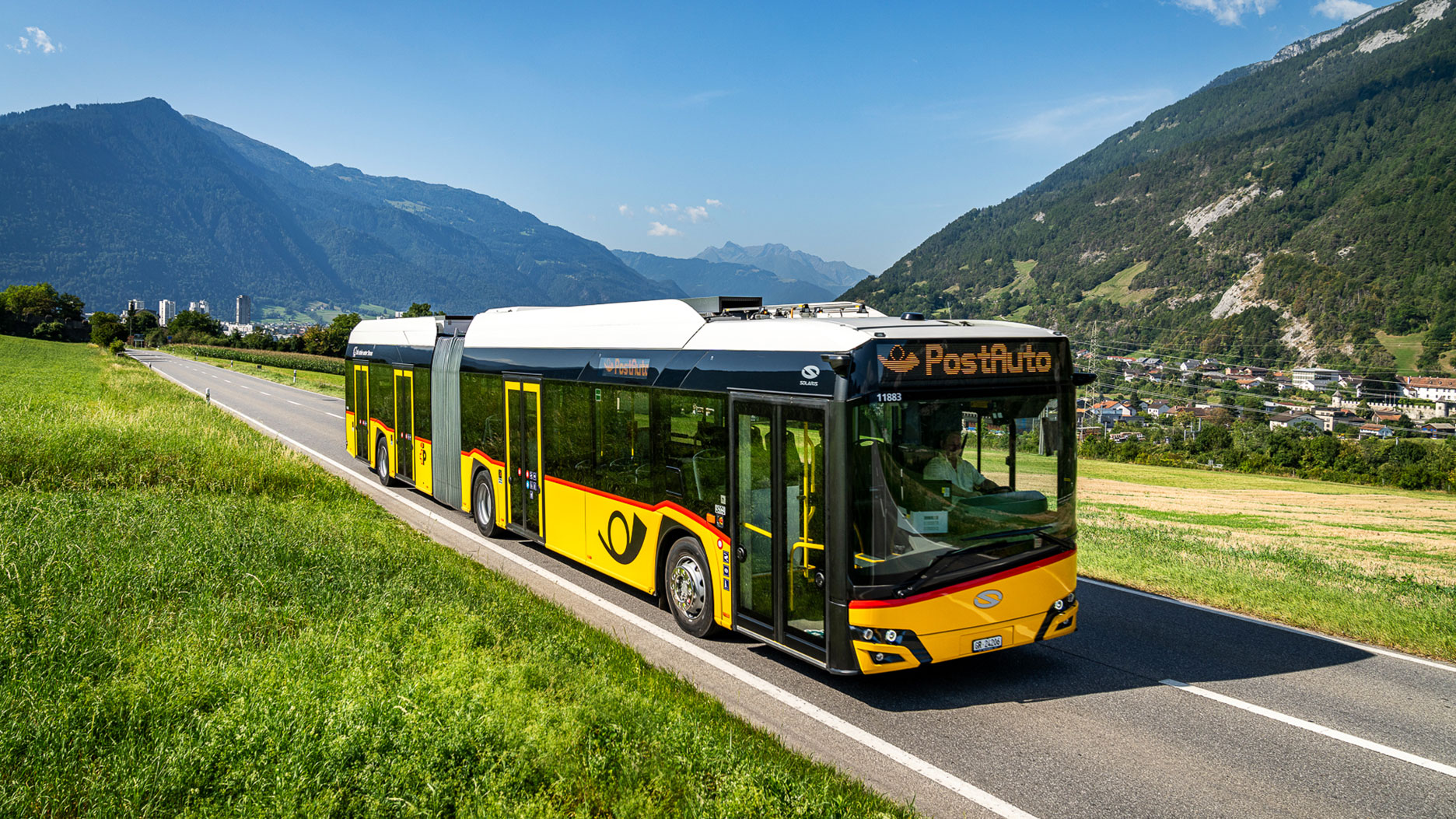
- Close collaboration with PostAuto AG, Switzerland's national postbus operator, for real-world validation
At the local level, the pilot aims to identify exactly which parts of Thurgau would benefit most from a DRT service, supporting evidence-based decisions that address rural mobility needs and reduce car dependency — currently among the highest of any SmartUrbanity pilot area. At the project level, ZHAW is exploring and validating hub-and-spoke demand-responsive transport as a replicable model for connecting peripheral, low-density areas to the wider public transport network — extending the 15-minute city concept beyond dense urban cores.
Thurgau's combination of high car dependency, rural dispersion, and an already-engaged operator in PostAuto makes it an ideal real-world testbed for on-demand mobility beyond the city centre.
🙏 ZHAW Team: Dr. Valerio De Martinis (Pilot Lead), Corrado Muratori and Amir Sarrafzadeh Arasi.
Previous Updates
Earlier milestones from the SmartUrbanity journey
France (Lyon): General Assembly Meeting
April 9-10, 2026
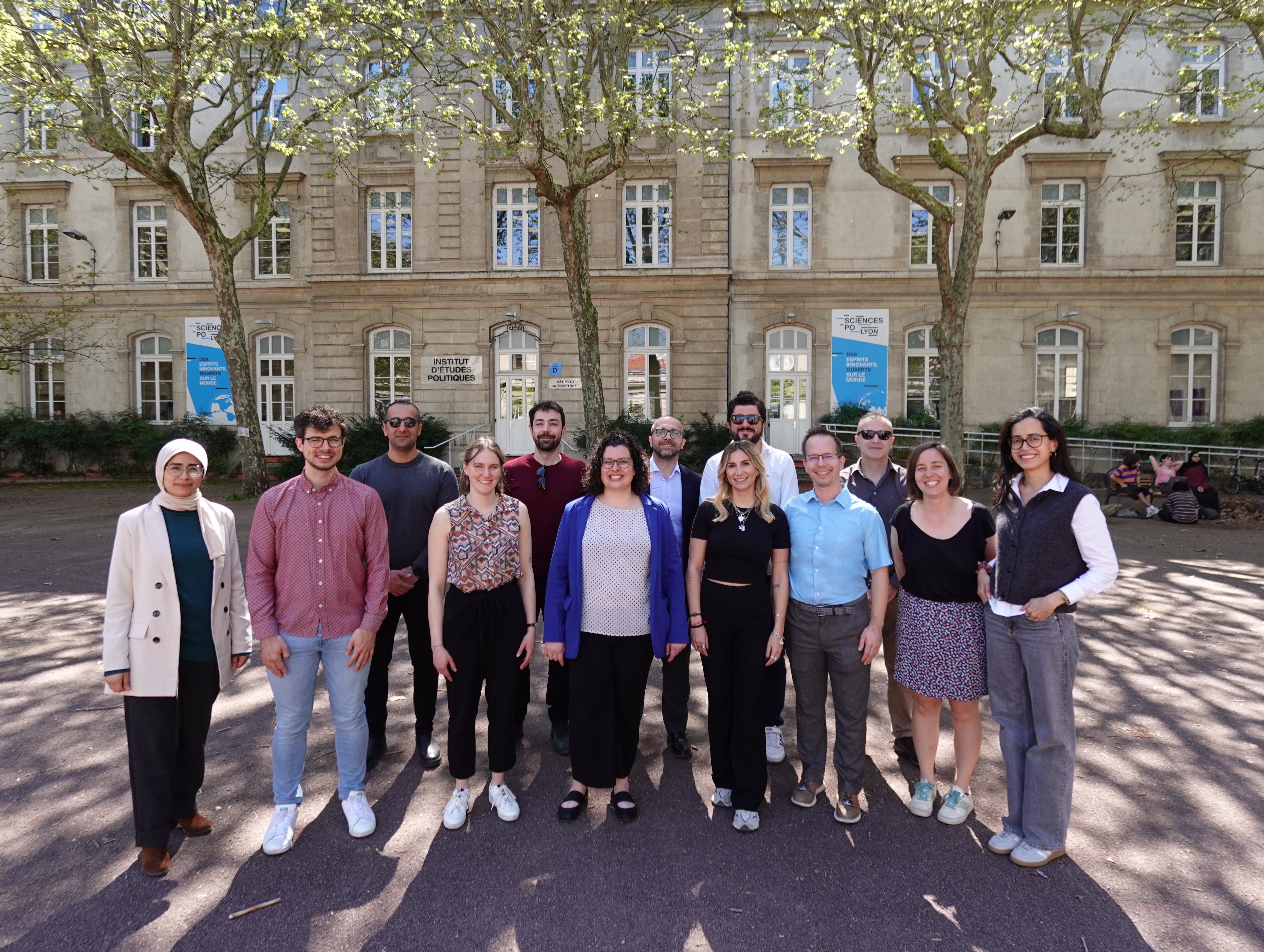
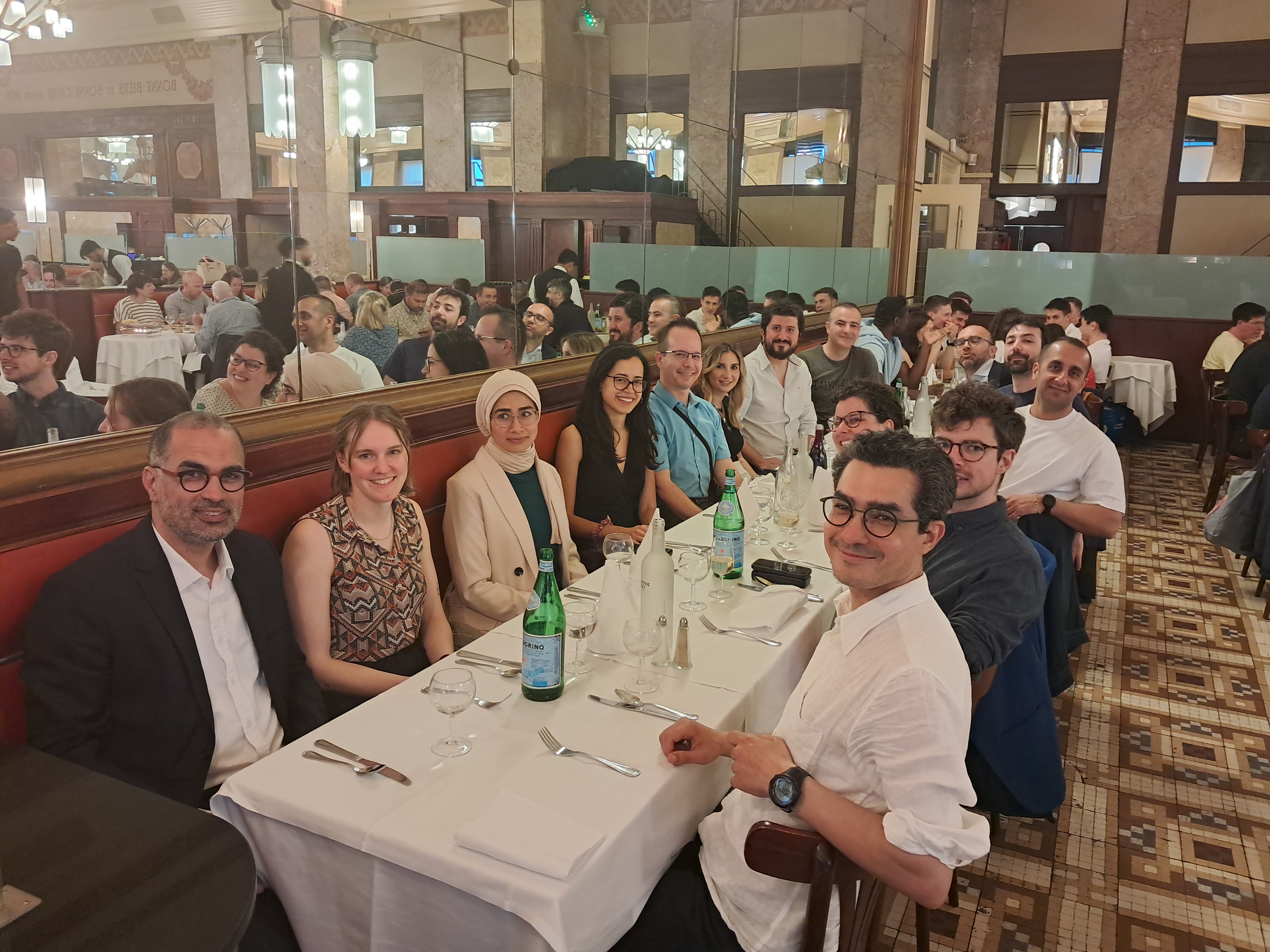
SmartUrbanity recently held its second General Assembly meeting in Lyon, bringing together all members of the project consortium in collaboration with the Métropole de Lyon. The event took place on April 9 and 10, 2026, and brought together 16 participants.
Meeting Highlights:
- 16 consortium participants gathered in Lyon
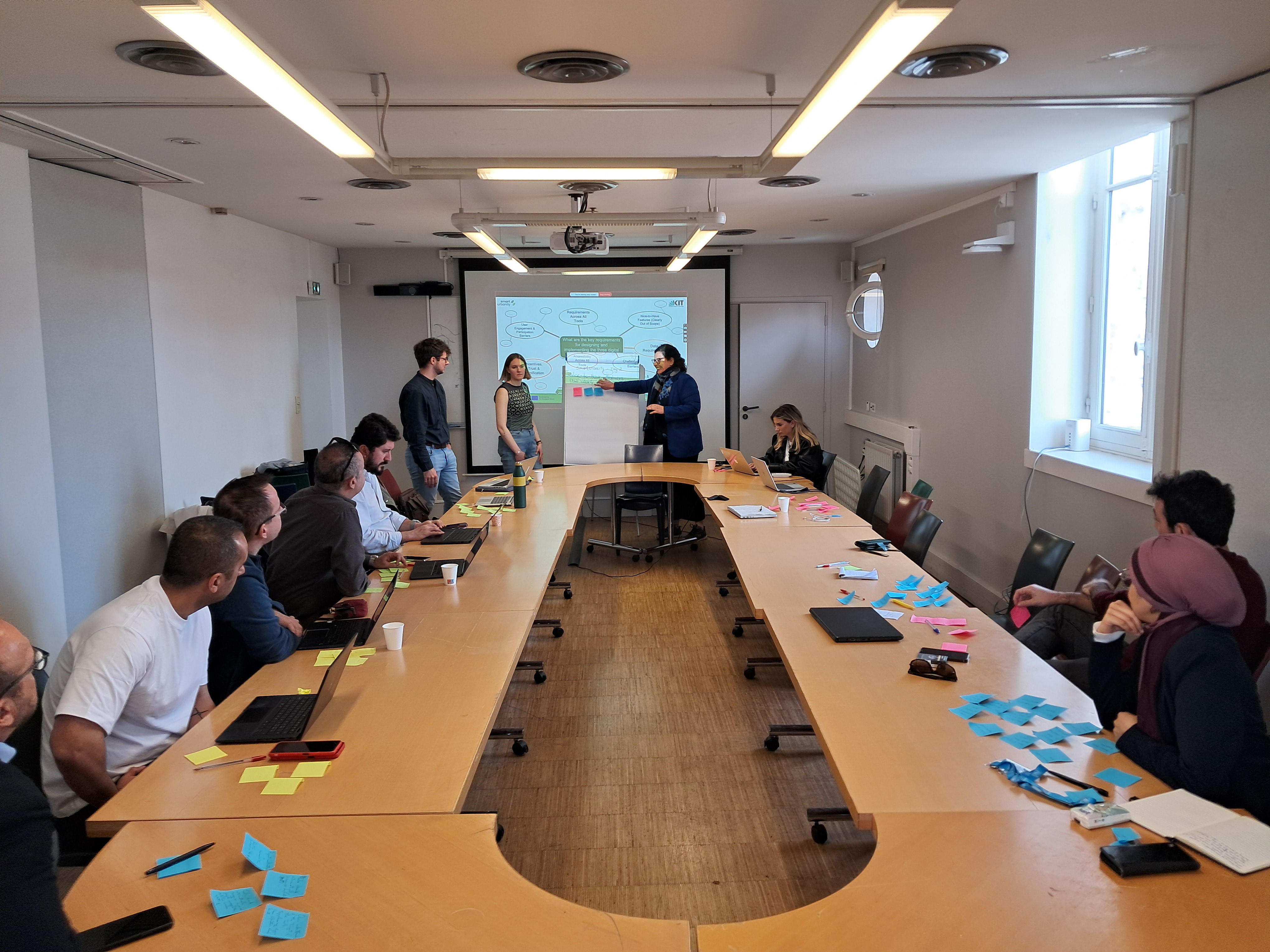
- Progress review across all work packages
- Discussions on local workshop outcomes and citizen needs
- Official launch of Work Package 5 on guidelines and policy
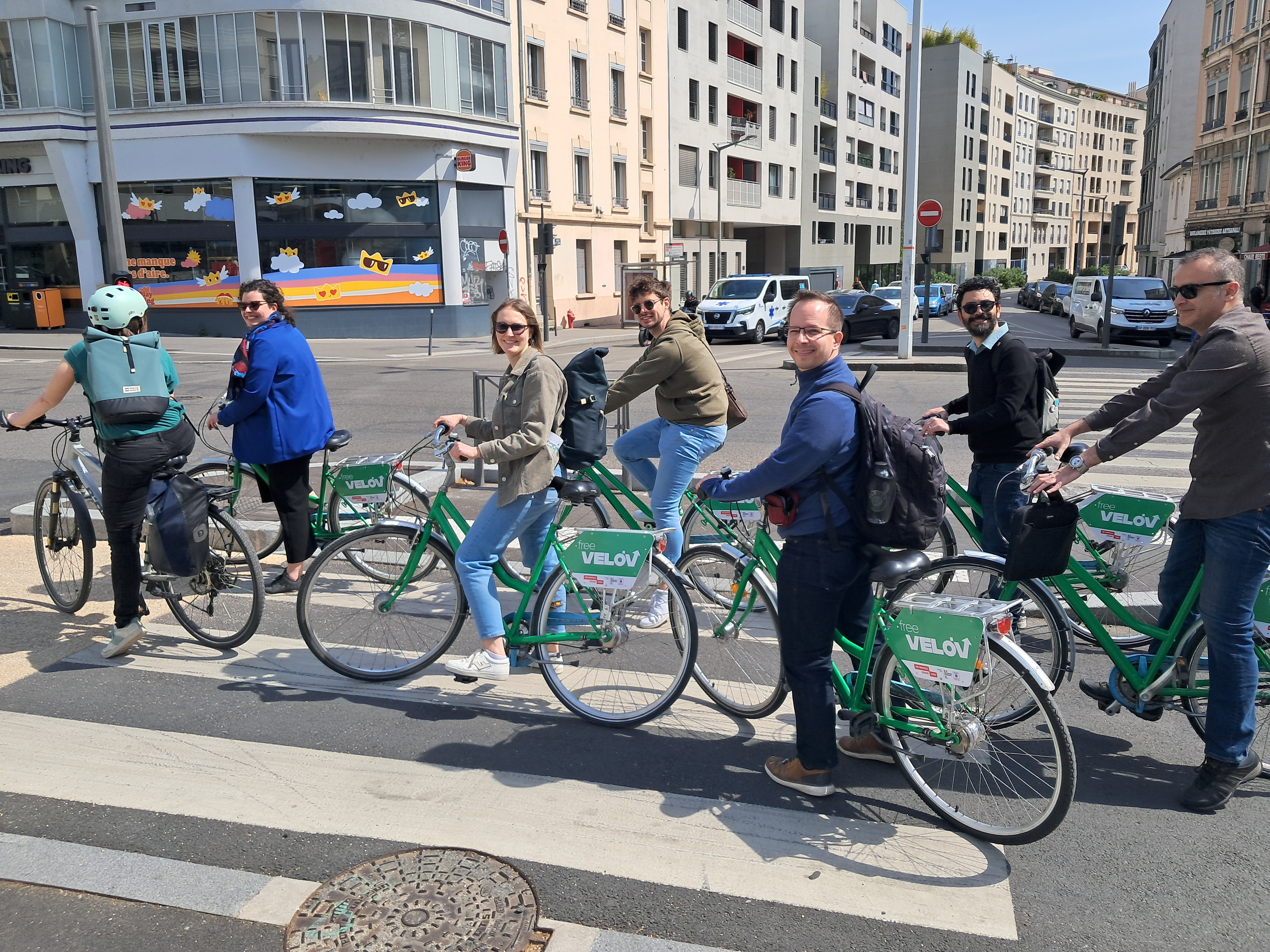
- Two-hour bike tour showcasing Lyon's cycling initiatives
The assembly provided an opportunity to present the overall progress of the project alongside updates from each work package. Participants also engaged in fruitful discussions on the outcomes of the local workshop, exploring how the needs of citizens, urban planners, and decision-makers can be effectively integrated into the project.
The meeting further enabled partners to align on future strategies and next steps. Notably, Work Package 5, which focuses on guidelines, policy recommendations, and strategy optimization, was officially launched during this meeting.
The meeting was concluded with an engaging two-hour bike tour, providing participants with a first-hand experience of Lyon's cycling initiatives and its dynamic innovation ecosystem.
🙏 Special thanks to ENTPE and Métropole de Lyon for hosting this event.
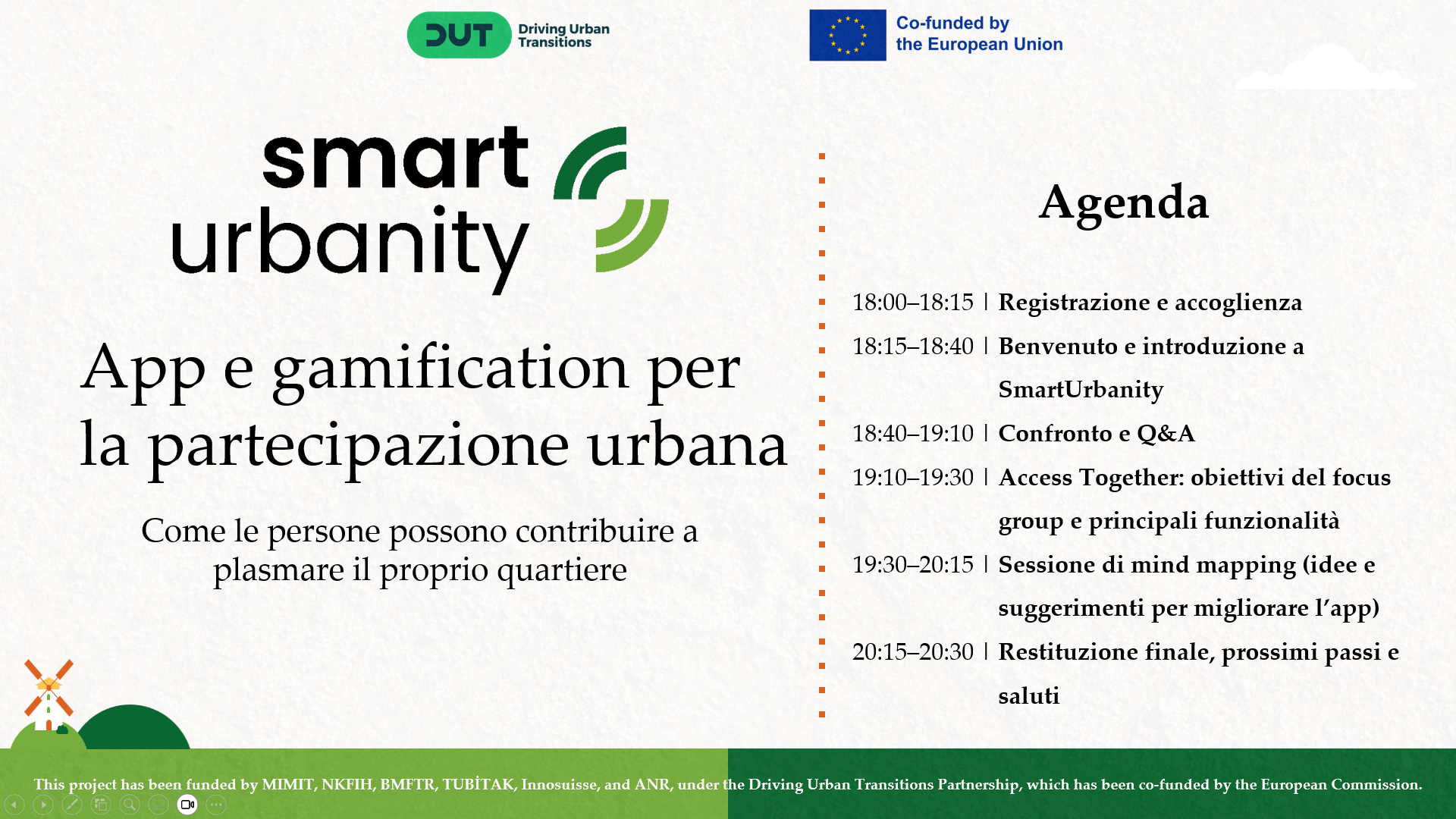
Rome Pilot Takes Shape: First Citizen Focus Group Success
January 13, 2026
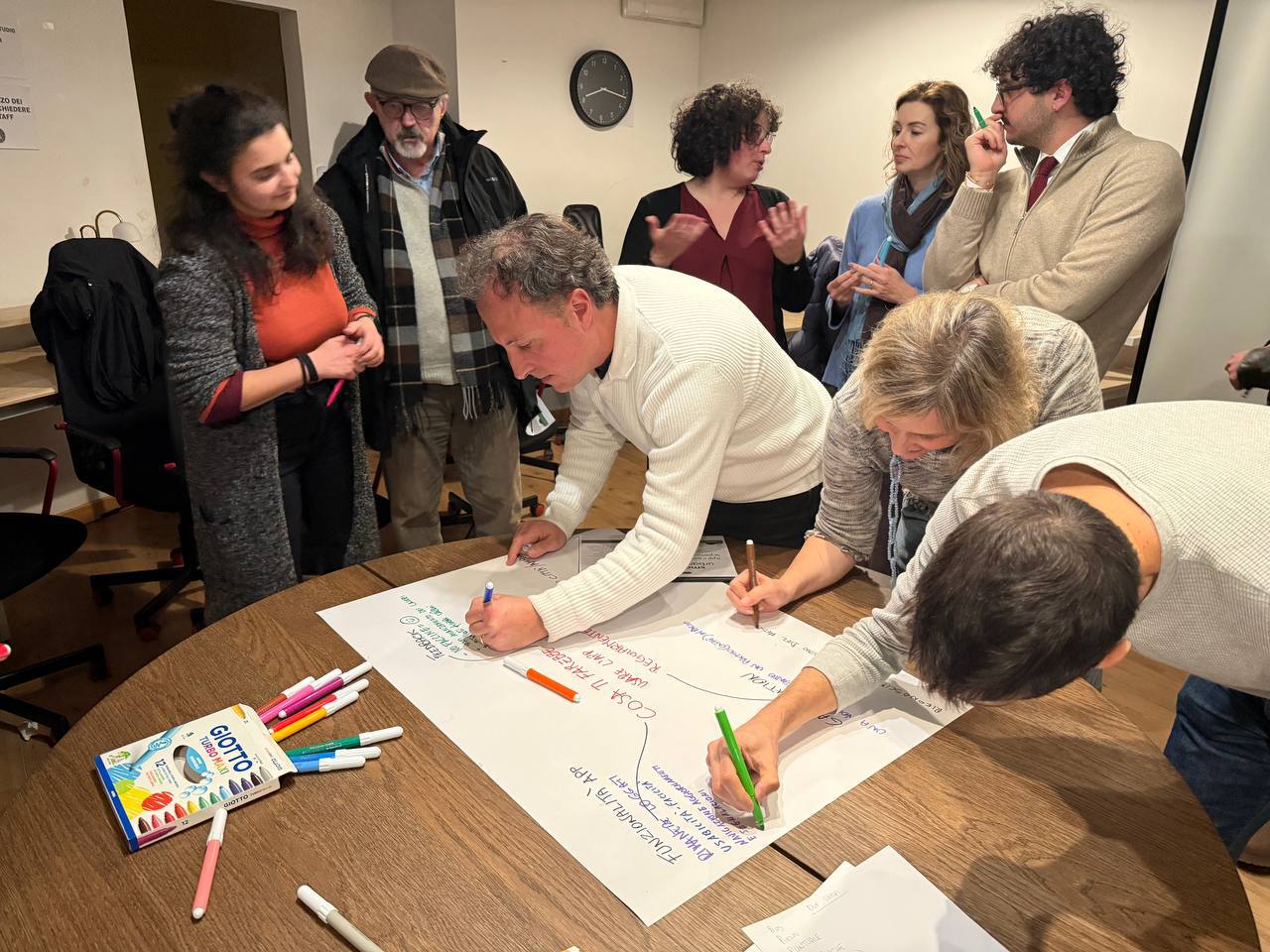
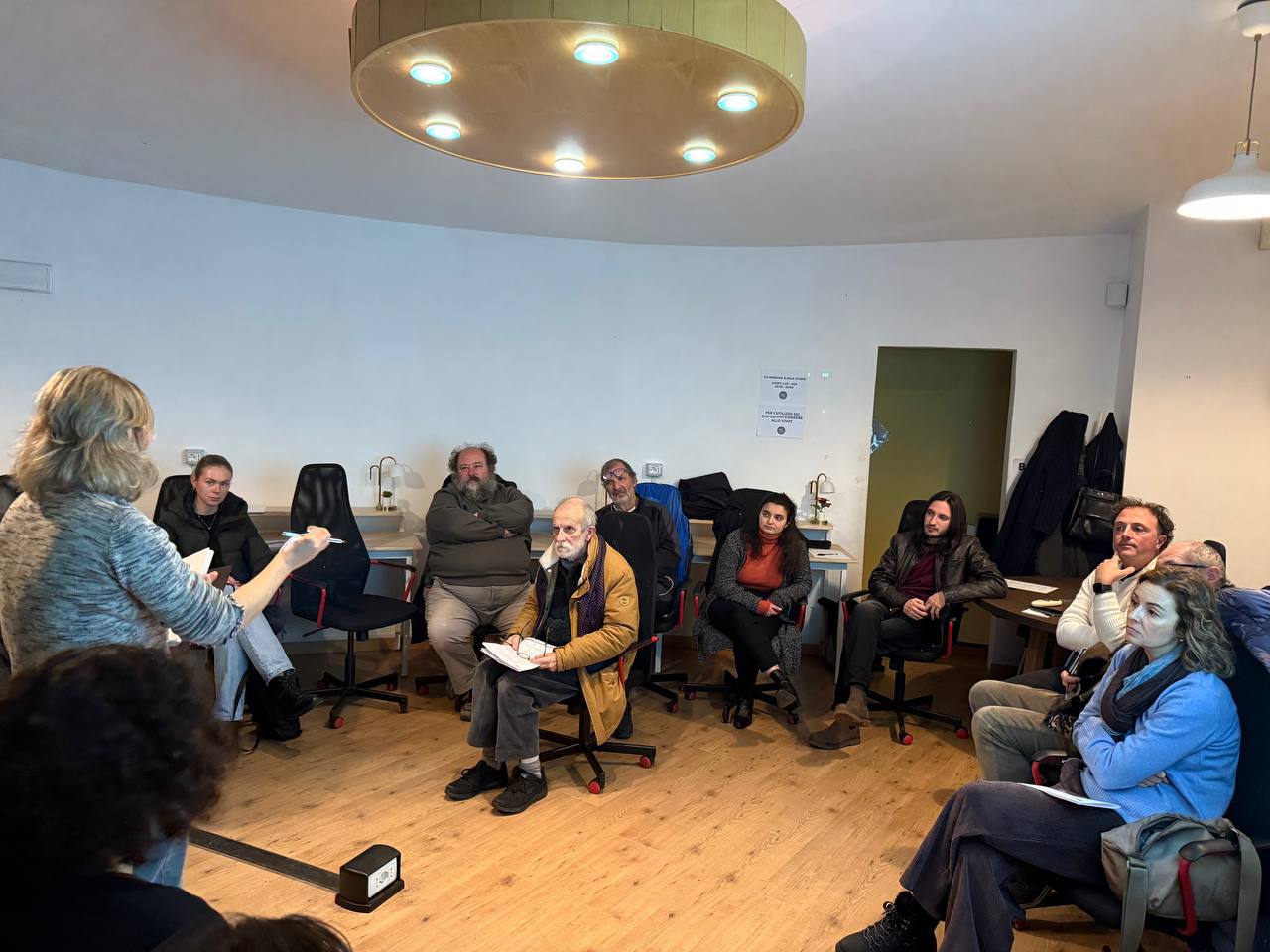
SmartUrbanity's Rome pilot reached a crucial milestone with its first citizen focus group in Municipio XII, marking the beginning of meaningful community-driven urban innovation.
Session Highlights:
- Residents, local associations and community leaders participated
- Practical, solution-oriented discussions on mobility needs
- Collaborative mind mapping to shape next prototype iteration
- Community insights to guide Access Together app development
The focus group explored everyday mobility challenges and priorities that will directly inform the next iteration of Access Together, our citizen engagement application designed to capture real-world accessibility evidence including barriers, comfort levels, safety concerns, and service reliability.
What distinguished this session was the depth and quality of community input - grounded in lived experience and oriented toward actionable solutions. This represents exactly how meaningful urban innovation should happen: through the meeting of technology and community knowledge.
Next Steps:
Building on these insights through follow-up focus groups scheduled for February 25, 2026, with findings integrated into the next Access Together prototype.
🙏 Rome Pilot Team: Sapienza University of Rome, Movesion, CTLup, Municipio Roma XII, and the Rome Citizens' Consultation for Road Safety, Active Mobility and Sustainability.
SmartUrbanity is Officially Underway!
September 2025
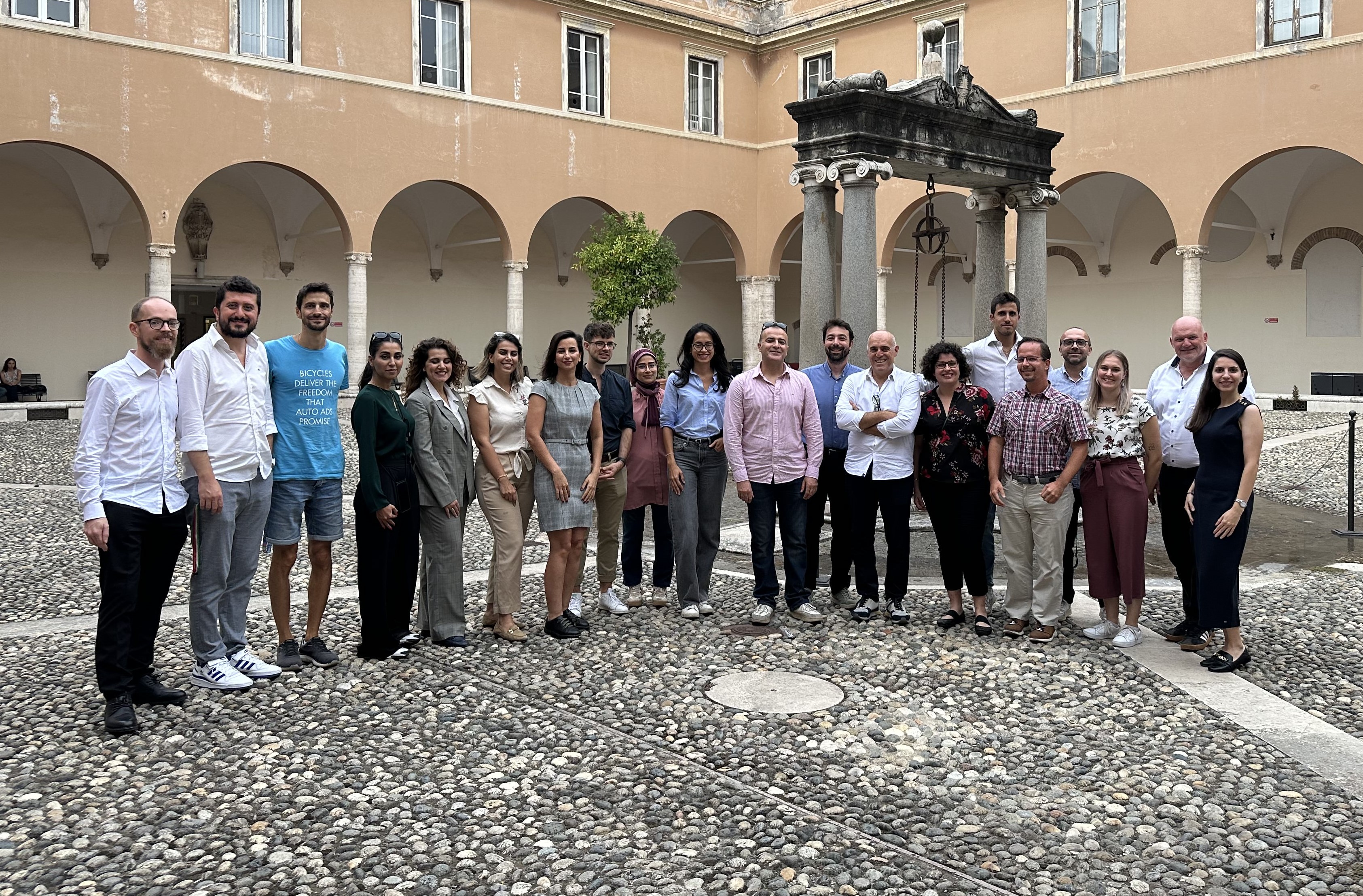
Our consortium completed an inspiring kick-off meeting in Rome, bringing together 16 European partners united by one vision: creating citizen-centric, accessible 15-minute cities.
Key Highlights:
- Hosted by Sapienza Università di Roma
- 5 pilot cities ready for transformation
- Strong partnership foundation established
- Clear roadmap for the next 27 months
From Rome's historic courtyards to cutting-edge urban innovation - bridging academic research and real community needs.
🏛️ Special thanks to Sapienza Università di Roma and XII Municipio di Roma for hosting us in the beautiful setting of the Eternal City.
Read More on LinkedIn
Follow our journey and see more updates from our partners on LinkedIn:

Stay Informed
Subscribe to our newsletter to receive the latest SmartUrbanity news, research updates, and announcements directly in your inbox. Join our community of urban innovation enthusiasts.